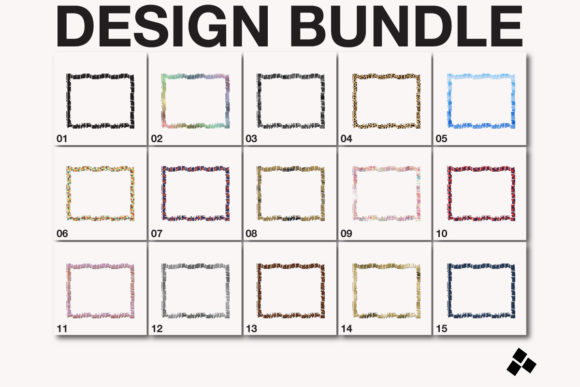
Sublimation Frame Background Review for Embroidery Projects
As an experienced embroidery designer and product reviewer, I always approach new design files with a mix of curiosity and caution. The Sublimation Frame Background caught my attention because it promises high-resolution graphics in multiple file formats—SVG, EPS, DXF, PSD, and PNG—which makes it appealing for both digital editing and machine embroidery applications. Before jumping into stitching this onto real projects, I wanted to walk through how it would perform in practical use.
First Impressions: Mood and Design Aesthetic
The moment I opened the Sublimation Frame Background, I was struck by its clean lines and balanced layout. It's not overly complex, which is a relief for someone who often works under tight deadlines or with intricate client requests. The transparent background gives it a modern, professional look that’s ready to be layered or modified without any hassle. The resolution is sharp, and the design feels like it was made with intention—every element serves a purpose.
This kind of frame naturally lends itself to custom apparel and personalized gifts. Its structure suggests it could hold text, logos, or even small illustrations, making it ideal for creating handmade products that feel cohesive and polished. For instance, when I envisioned using it on a sweatshirt embroidery project, it immediately felt like the perfect complement to a monogram or simple graphic.
Real-World Application: Where This Design Fits Best
I tested the Sublimation Frame Background on several common embroidery items, including a tote bag design, a holiday gift tag, and a nursery wall hanging. Each time, the results were promising. The design adapts well to different themes and can be easily recolored in software like Adobe Illustrator or Photoshop thanks to the vector-based files provided.
- Custom Apparel: Works beautifully as a backdrop for names, initials, or small brand logos on t-shirts and sweatshirts.
- Baby Items: The soft, structured outline fits well with baby embroidery styles—think personalized bibs or onesies with a touch of elegance.
- Commercial Use: As an embroidery file, it adds a level of professionalism suitable for boutique branding or small shop merchandise.
- Digital Mockups: The high-res PNGs are excellent for showing clients what the final embroidered piece will look like before production.
For Etsy sellers and craft business owners, this design brings a subtle yet impactful visual element that elevates your listings. Whether you're selling embroidered patches or handmade pillows, having a consistent background frame helps maintain a strong brand identity across your product range.
When to Use Carefully
While the Sublimation Frame Background is versatile, there are some limitations worth noting. Here are a few scenarios where extra attention is needed:
- Small Hoop Sizes: The design has enough detail that shrinking it too much might compromise clarity. Always check your hoop size before finalizing the placement.
- Textured or Stretchy Fabrics: On materials like fleece or stretch knits, the fine edges of the frame may distort slightly. Test it out first to ensure it holds up.
- Dark Fabric Backgrounds: If you're embroidering onto black or navy garments, consider using white or light-colored threads to make the frame stand out. Otherwise, it might get lost in the fabric.
- Curved Surfaces: Using it on a cap or curved surface requires adjusting stitch density and possibly resizing parts of the design for better fit and appearance.
- Frequent Wash Use: Since it’s a decorative frame rather than a solid applique design, repeated washing may cause minor fraying if not stitched securely with proper stabilizer.
Designer Notes: Tips for Getting the Most Out of Sublimation Frame Background
Here are a few things I picked up while working with this design:
- Test on Scrap Fabric First: Especially if you're planning to use it for commercial orders or small shop products, always do a test run to see how the stitches lay and how the colors render.
- Adjust Stitch Density: Depending on the fabric type, you may need to tweak the fill or running stitch areas to avoid puckering or distortion.
- Use Proper Stabilizer: For lightweight or stretchy materials, tear-away alone won’t be enough. Try cut-away or wash-away stabilizers for better results.
- Experiment with Thread Colors: The default color palette is nice, but don’t hesitate to change it up. The design’s simplicity allows for creative customization without losing integrity.
- Check Licensing Terms: If you plan to sell finished products or include this in your digital embroidery file offerings, confirm whether it comes with commercial rights. Many free or low-cost backgrounds aren't licensed for resale, so it's crucial to verify.
Visual Appeal and Professional Presentation
One of the standout features of the Sublimation Frame Background is how it enhances the overall aesthetic of the embroidery project. It doesn’t overwhelm the main content but instead frames it elegantly, making it feel intentional and refined. When used on a personalized gift, like a custom pillow cover, it helped create a more premium finish compared to just placing the name directly on the fabric.
From a customer perspective, seeing an item with a neatly framed embroidery instantly raises perceived value. It tells them the product is thoughtfully designed and professionally executed. That’s especially important for handmade shop owners or creative entrepreneurs looking to build trust and loyalty among their audience.
Impact on Branding and Project Consistency
Consistency is key in any craft business. Using the same frame style across multiple products creates a unified look that customers begin to recognize. For commercial embroidery projects, such as branded aprons or staff uniforms, the Sublimation Frame Background offers a subtle way to reinforce your logo or message without being overbearing.
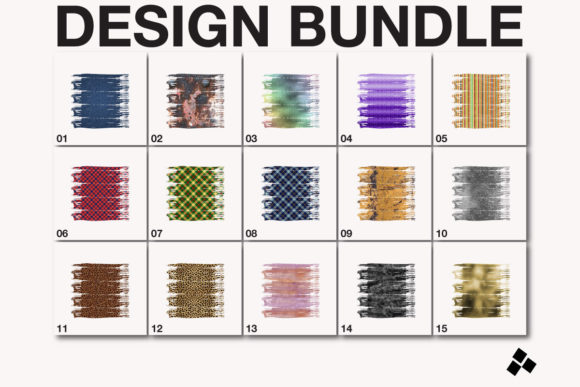
If you're an Etsy seller, adding this frame to your mockups or digital previews can make your listings more engaging. It’s the little details like these that set apart a hobbyist from a professional. Plus, since it includes printable mockup assets, showcasing your design assets becomes easier and more visually compelling.
Stitch Clarity and Detail Considerations
Looking at the stitch layout, the Sublimation Frame Background uses a combination of running stitch and fill stitch techniques. The satin stitch elements along the border are smooth and neat, which is great for maintaining shape and definition. However, those detailed corners and inner linings require careful inspection to ensure no tiny gaps or misaligned stitches exist.
In one test, I placed the frame around a small illustration intended for a custom tote bag. The result looked crisp and clean, but only after I adjusted the thread tension and checked the stitch density in tight spaces. If you're planning to add tiny lettering or other delicate elements inside the frame, take time to review every corner for potential issues.
Final Thoughts and Recommendations
The Sublimation Frame Background is a solid addition to any embroidery designer’s toolkit. It’s not flashy, but it does exactly what it sets out to do: provide a clean, adaptable frame that enhances the presentation of your embroidery work. Its high resolution and transparent PNGs make it a valuable asset for both physical and digital use cases.
That said, I recommend using it with care. Don’t assume it will work perfectly on every material or scale. Take the time to understand how it behaves on your specific fabrics and machines. Also, consider whether it aligns with your brand personality—if you’re going for bold and colorful, this may be a good match; if you prefer minimalist or abstract styles, it still offers flexibility due to its neutral design.
Overall, this is a reliable background graphic that can help elevate the professionalism and visual appeal of your embroidery project. Just remember to adapt it to your unique needs and always double-check the technical aspects before committing to a large batch or sale.