Garden or Tourist Shovel: A Graphic Design Freebie for Themed Creatives
As a graphic designer with years of experience in crafting visual identities for small businesses, I often find myself evaluating design assets that can elevate a project from generic to memorable. The Garden or Tourist Shovel caught my attention not just as another freebie but as a versatile and stylized illustration that could serve multiple purposes across creative projects. Let’s dive into how this asset holds up under the scrutiny of real-world application.
A First Glance at Garden or Tourist Shovel
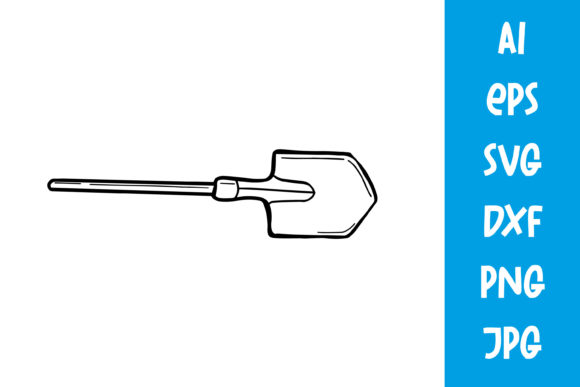
The initial impression of the Garden or Tourist Shovel is one of simplicity and charm. It’s a hand-drawn-style vector illustration that blends rustic elements with clean lines, making it feel both organic and professional. The design straddles the line between whimsy and utility—perfect for themes like outdoor adventures, camping trips, gardening hobbies, or even seasonal campaigns tied to spring or fall activities.
This asset doesn’t scream “attention,” but it invites warmth and relatability. It's the kind of visual you’d expect to see in a lifestyle brand targeting eco-conscious travelers or DIY gardeners. Its aesthetic suggests a casual yet curated vibe, which makes it ideal for creative marketplaces like Etsy or digital product platforms focused on handmade goods.
Real-World Application: Where This Asset Excels
Let’s imagine a client—a boutique selling handmade camping gear and backyard essentials. They’re launching a new product line and need consistent branding across packaging, social media, and promotional materials. Here’s where the Garden or Tourist Shovel can shine:
- Hero graphics: The shovel works beautifully as a central icon in large layout areas, such as banners or website headers. Its bold outline and clear shape make it instantly recognizable when sized correctly.
- Product mockups: Placing the shovel illustration on a mockup of a branded duffel bag or a tote adds a thematic touch without overwhelming the design. It helps establish a cohesive look between products.
- Decorative accents: In editorial designs or printable wall art, the shovel can be used as a subtle background element or border accent to reinforce an adventurous or nature-inspired mood.
- Campaign visuals: For a themed campaign around sustainable travel or backyard living, the shovel can act as a motif in flyers, posters, and invitations, helping unify the message visually.
- Print-on-demand applications: Whether printed on mugs, t-shirts, or stickers, the shovel maintains its clarity and appeal. Its line work translates well to fabric and ceramic surfaces, especially when paired with solid color blocks.
Practical Considerations for Use
While the Garden or Tourist Shovel has strong visual potential, there are a few practical considerations every designer should keep in mind before using it in client work:
- Test in black and white: Since the asset uses minimal color variation, it’s important to check how it looks in grayscale. This ensures it remains legible and stylistically consistent if used in print-only formats or low-color environments.
- Contrast testing: Preview the shovel on both light and dark backgrounds. While it performs well against neutral tones, it may lose impact on overly bright or busy backdrops unless contrast is carefully managed.
- Scale sensitivity: This illustration is best suited for larger sizes. When scaled down too much, the fine details may become less defined, reducing its effectiveness in small-scale designs like buttons or micro-icons.
- Mockup integration: To assess its fit for commercial use, place it on actual product mockups. I tested it on a Cricut vinyl project and found that it adheres well to curved surfaces and retains its crisp edges when cut properly.
- Print quality: If using the JPG format (300 dpi), ensure that it’s embedded in high-resolution layouts. For scalable use, the EPS and AL versions offer full editability, allowing for customization of colors or shapes without loss of quality.
File Formats and Commercial Licensing
The package includes six folders with various file types, including EPS-10 and AL-10 vector files, along with JPGs at 300 dpi. As a professional, I appreciate having access to editable vector formats. They allow me to tweak the design precisely, whether adjusting stroke weights for a logo or simplifying the illustration for a sublimation design.
Before recommending this asset for a client, always verify the commercial license. Many freebies come with restrictions, but if this one allows for unlimited personal and commercial use, it becomes a valuable part of your design toolkit. Be sure to review the licensing terms included in the download zip.
Pairing with Fonts and Layouts
I tested the shovel with several font styles to determine compatibility. It pairs exceptionally well with:
- Sans serif fonts: Clean and modern typefaces complement the shovel’s soft, approachable lines without clashing.
- Handwritten scripts: The organic nature of the illustration matches the natural flow of script fonts, enhancing the artisanal feel of a design.
- Display fonts: Bolder, decorative fonts add character without overpowering the image, especially when placed strategically in layered compositions.
However, it does not harmonize well with ultra-minimalist or highly geometric sans serifs. These tend to create a jarring contrast due to their stark formality compared to the shovel’s more playful style.
Where to Use It Carefully
Though the Garden or Tourist Shovel is a compelling asset, it isn't universally applicable. Here are some scenarios where caution is needed:
- Small layouts: Avoid using it in tiny spaces like icons, app UI elements, or QR code overlays. Its intricate details won’t scale well.
- Crowded compositions: In busy designs, such as infographics or multi-layered Canva templates, the shovel might get lost or appear cluttered if not given enough breathing room.
- Corporate branding: This illustration leans toward casual and thematic, which may not align with formal business identities or financial services brands. It’s better suited for lifestyle or retail sectors.
- Low-contrast settings: On muted or pastel palettes, the shovel needs careful placement to maintain visibility. Boosting stroke weight or using a transparent PNG overlay can help.
Impact on Branding and Visual Trust
When integrated thoughtfully, the Garden or Tourist Shovel contributes positively to brand identity by reinforcing a theme of exploration and self-sufficiency. For clients in the outdoor or gardening niche, this imagery helps build emotional appeal and recognition. It signals authenticity and hands-on engagement, qualities that resonate with audiences seeking connection through tangible experiences.
However, overuse or mismatched styling can dilute professionalism. In high-stakes marketing visuals or polished web design, the shovel must be balanced with other elements to avoid appearing too informal or unrefined. Used sparingly, it enhances; used carelessly, it distracts.
Design Bundle Value and Creative Marketplace Potential
For designers working with limited budgets or time constraints, this graphic design asset offers a quick win. It brings thematic consistency to a design bundle without requiring custom illustration work. That said, it’s not a replacement for bespoke artwork but rather a smart shortcut for projects needing a rustic or outdoorsy flair.
If you're building a set of Canva templates for a creative marketplace, the shovel can be a standout element in themed collections—especially those centered around travel, camping, or homesteading. Its versatility also makes it suitable for SVG design files used in Cricut projects, where layer separation and scalability are key.
Conclusion Through Practical Lens
After thoroughly reviewing the Garden or Tourist Shovel for real client use, I’m confident it can support a wide range of creative design efforts. From packaging design to social media graphics, it adds personality and purpose. Just remember to treat it as a supporting actor in the visual hierarchy, not the star. Give it the right context, and it will enhance your project’s storytelling and visual cohesion.
Whether you're designing for a handmade business, creating printable designs, or prepping a seasonal campaign, this asset has the potential to be a useful addition to your workflow. It’s not perfect for everything, but when used wisely, it can make a big difference in how your final design feels—and ultimately, how it performs.