Easter Icon Design Egg Tree Black Line: A Designer’s Honest Review
As a seasoned embroidery designer and product reviewer, I always approach new design files with a critical eye. Today, I’m taking a closer look at the Easter Icon Design Egg Tree Black Line. This digital graphic is part of the Freebies category and comes in six file types — AI, EPS, SVG, DXF, JPG, and PNG — all with a canvas size of 1920 px X 1280 px. Let’s dive into what it brings to the table for real-world embroidery projects.
First Impressions: Mood and Layout
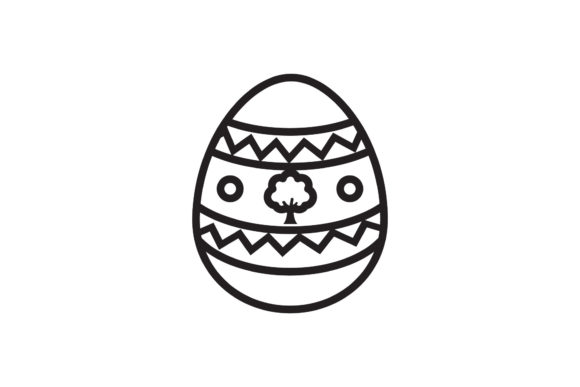
The Easter Icon Design Egg Tree Black Line immediately gives off a soft, elegant vibe. It features a stylized tree made up of eggs, which makes it feel both whimsical and refined. The black line art adds a clean contrast without overwhelming the visual space. It’s not too busy, but it carries enough detail to stand out on fabric. The layout is balanced and symmetrical, making it ideal for centerpieces or focal points on items like tote bags, sweatshirts, or even nursery decor.
What stands out is how versatile the design feels. Its minimal color palette (just black lines) means it can adapt well to various thread colors and fabric backgrounds. That’s a big plus for someone like me who likes to customize designs for different clients and product uses.
Real-World Use: Where It Shines
Let’s imagine a scenario where I’m preparing a custom embroidered Easter tote bag for a boutique client. The Easter Icon Design Egg Tree Black Line would serve as the perfect feature. Its shape fills the canvas nicely without crowding, and the black-line aesthetic works beautifully with satin stitch outlines and running stitch details.
I’ve found this design especially useful for:
- Custom apparel: T-shirts, sweatshirts, and baby clothes benefit from its gentle curves and clear structure.
- Tote bag design: The canvas size fits well within standard embroidery hoops, so it looks great when scaled down to fit a cotton tote.
- Embroidered patches: Because it’s line-based, it translates well into small applique formats for use on denim jackets or caps.
- Holiday gifts: Whether stitched onto a pillow cover or a kitchen towel, it adds that subtle festive touch many customers appreciate during Easter season.
- Digital product previews: For Etsy sellers and handmade shop owners, the PNG and JPG versions are excellent for creating printable mockups or showing potential buyers how the finished product might look.
Its simplicity also helps maintain brand consistency if you're using it across multiple products, such as custom sweaters and personalized gift tags. Customers tend to respond positively to designs that feel thoughtful yet not overdone — and this one hits that sweet spot.
Where to Be Cautious: Limitations to Consider
While the Easter Icon Design Egg Tree Black Line is undeniably charming, there are some situations where it might not perform as expected. Here’s what I keep in mind when choosing where to apply it:
- Small hoop sizes: The intricate egg shapes may lose clarity if reduced too much. Test scaling before finalizing.
- Textured fabrics: Fabrics like flannel or felt could make the fine lines less sharp after stitching.
- Thin or stretchy materials : Delicate fabrics may struggle with denser areas of the design, especially around the trunk or overlapping eggs.
- Dark fabric backgrounds: Since the design relies heavily on black lines, it may not show up clearly on darker bases. Opt for light-colored fabrics or suggest a white or cream thread alternative.
- Curved surfaces: Embroidering on a cap or curved garment? The tree’s vertical structure could distort unless properly adjusted.
- Products needing frequent washing: While most machine embroidery holds up well, always check the fabric type and stabilizer used to ensure long-term durability.
These aren’t deal-breakers, but they’re important considerations for maintaining quality and customer satisfaction in your embroidery project.
Visual Appeal and Stitching Clarity
One of the key strengths of this design is its visual appeal. The tree motif is classic yet modern, fitting well in both traditional and contemporary settings. As an applique design, it has a lot of potential for layered looks by adding contrasting fill stitches behind the outline. However, since the original is black line art, be mindful of how your chosen thread colors interact with the fabric. A lighter background will make the design pop more.
For stitching clarity, the pattern is quite precise. The lines are bold enough to remain visible even after the fabric stretches slightly during the embroidery process. Still, it’s worth testing the design on scrap material first to confirm how the stitch density handles on your specific machine and fabric combo.
Project Value and Customer Perception
When evaluating a design for commercial use, I consider how it affects the product value and customer trust. The Easter Icon Design Egg Tree Black Line has a professional appearance that elevates any handmade item it's applied to. Whether it’s a personalized gift or a small shop product, the design conveys care and attention to detail.
Customers often notice the difference between rushed, generic embroidery and thoughtfully placed design assets. This one checks the box for quality and intentionality. When used on items like sweatshirt embroidery or nursery decor, it adds a sense of charm and holiday spirit without being too literal or childish.
Designer Tips for Getting the Most Out of This File
If you're planning to use the Easter Icon Design Egg Tree Black Line in your next project, here are some practical steps I recommend:
- Test on scrap fabric before committing to a final piece. Especially if you plan to scale it or change thread colors.
- Check thread color contrast: Don’t assume black thread will always work best. Sometimes a navy or dark gray thread can give a softer, more sophisticated look.
- Review stitch density to avoid puckering, especially if you're working with delicate or stretchy materials.
- Confirm hoop size requirements based on your machine and fabric thickness. If the file doesn't specify, do your own research.
- Inspect small details like the tips of the eggs and the spacing between them. These can become lost if not carefully managed during digitization.
- Use proper stabilizer to prevent distortion. Tear-away or cut-away options depend on your fabric and desired outcome.
- Test it in black and white mockups to see how it adapts to monochrome presentations — helpful for digital product sellers.
- Compare light and dark fabric backgrounds to understand visibility and adjust accordingly.
- Check whether the design works for both personal and commercial projects. If you're an Etsy seller or craft business owner, verify licensing terms before listing anything for sale.
A Balanced Take for Creative Entrepreneurs
From my experience, the Easter Icon Design Egg Tree Black Line is a solid choice for seasonal collections. It offers enough personality to make a statement without veering into kitsch. For those looking to create holiday embroidery or personalized gifts, this design provides a foundation that’s easy to build upon with additional elements like floral borders or simple text.
However, don’t overlook the importance of machine embroidery design compatibility. Even though the file includes multiple formats, not every format will work perfectly with every software or embroidery machine. Always open the file in your preferred digitizing program to assess its usability and scalability.
Final Thoughts: A Thoughtful Addition to Your Repertoire
In summary, the Easter Icon Design Egg Tree Black Line is a clean, adaptable graphic that brings a quiet elegance to your embroidery project. It’s particularly well-suited for tote bags, sweatshirts, and decorative accents on home goods. But remember, no design is one-size-fits-all. How it performs depends on your equipment, fabric choices, and presentation goals.
If you're an apparel decorator or digital product seller, this embroidery file could easily become a staple in your Easter-themed offerings. Just take the time to test it thoroughly and tailor it to your needs. After all, the best way to know if a design works is to try it yourself and see how it translates from screen to fabric.